Ethnobotanical, phytochemical, pharmacological study and biogenic synthesis of nanocomposites derived from Vigna unguiculata
Published 2025-11-18
Keywords
- Array,
- Array,
- Array,
- Array,
- Array
Copyright (c) 2025 Moroccan Journal of Agricultural and Veterinary Sciences

This work is licensed under a Creative Commons Attribution-NonCommercial-ShareAlike 4.0 International License.
Abstract
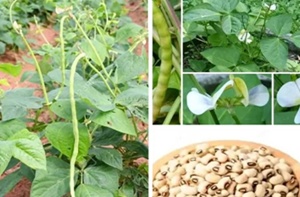
The Democratic Republic of Congo, rich in both faunal and floral biodiversity, is home to numerous medicinal plants of biopharmaceutical interest, capable of providing novel bioactive molecules. This study aimed to evaluate the chemical composition, biological properties, and safety of the leaves of Vigna unguiculata (Fabaceae). Analyses revealed the presence of phytochemical compounds such as polyphenols, flavonoids, tannins, anthocyanins, as well as essential minerals including magnesium, calcium, sodium, iron, and phosphorus. In vitro tests demonstrated anti-inflammatory, antioxidant, and anti-sickling activities, and the extracts, including plant-derived nanocomposites, showed no toxicity. These findings highlight the pharmacological potential of Vigna unguiculata and its relevance for developing new plant-based medicines. Further studies, particularly in vivo and clinical investigations, are required to confirm these effects and elucidate the underlying mechanisms of action, while optimizing the nanocomposites and their pharmaceutical formulation represents promising prospects for the future valorization of this medicinal plant.
Keywords: Traditional knowledge, Medicinal plants, Bioactive compounds, Phytochemical profile, Vigna unguiculata