Assessment of the specific biogas potential of agricultural residues in Benin: the case of cashew apples

Abstract
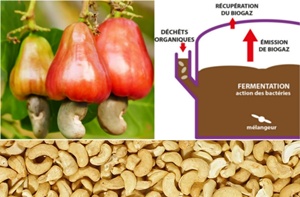
Methanogenic or biogas potential is a key parameter in assessing the feasibility of energy recovery through anaerobic digestion. In the context of under-equipped laboratories, this study aimed to develop a simple and reliable method for measuring the biogas potential of cashew apple, one of the abundant agricultural residues in Agro-ecological zone 5 (ZAE05), Benin. An experimental setup based on mini-digesters was implemented and calibrated with a standard substrate (cellulose) following established methodological protocols for methanogenic potential evaluation. Triplicate tests were conducted to assess inoculum variability and ensure measurement reproducibility. The results showed low variability, with a coefficient of variation of 1.7% for the inoculum and 4% for the cashew apple tests. The specific biogas yield of cashew apple was estimated at 163 Nml/gVS, a value consistent with available references. These findings demonstrate the robustness and reproducibility of the proposed protocol, confirming its relevance for obtaining reliable measurements in resource-limited laboratories, with implications for generalization and future research perspectives.
Keywords: Anaerobic digestion, Biochemical Methane Potential, cellulose