Ethnobotanical, Phytochemical, and Pharmacological Studies of Hibiscus acetosella

Abstract
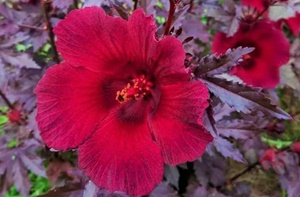
Hibiscus acetosella (Cranberry hibiscus) is a plant used in traditional medicine to treat several diseases, particularly in the Democratic Republic of Congo (DRC). Among its popular uses, it is known for its beneficial effects on anemia and other conditions. However, few scientific studies have confirmed its therapeutic properties. This study aims to assess the population's knowledge of the use of H. acetosella and to test its in vitro anti-drepanocytic and anti-inflammatory properties. The primary objective of this study is to verify the effectiveness of H. acetosella against sickle cell disease and inflammation through in vitro tests, while also gathering local knowledge about its therapeutic use. The population's knowledge was evaluated through a survey of 200 people, focusing on the diseases treated with this plant, the parts of the plant used, the pharmaceutical forms employed, and the methods of administration. The antidrepanocytic properties were tested in vitro using the Emmel test, a hemolysis test, and a test based on protein thermal denaturation. The results showed that the population attributes to H. acetosella the ability to treat 11 diseases, with anemia being the most cited (142 citations out of 200). The leaves are the most used part of the plant, while the decoction is the predominant pharmaceutical form. The preparation is generally administered orally. The in vitro tests confirmed the anti-sickling activity of the plant, validating its use by the population of Kinshasa to treat sickle cell disease. H. acetosella exhibits promising anti-sickling and anti-inflammatory properties, confirmed by in vitro tests. These results support its traditional use and suggest its potential in nutri-therapy for the management of sickle cell disease in the DRC.
Keywords: Sickle cell disease, Inflammatory, Medicinal plant, Hibiscus acetosella and Nutritherapy