Ethnobotanical survey on the traditional use of climbing ivy (Hedera helix) in the North-West of Tunisia
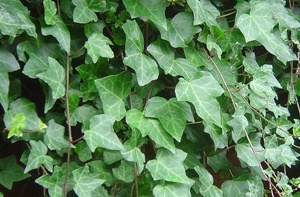

Abstract
Current pharmacological research contributes continually to discover the therapeutic virtues of medicinal plants and the actions of their active compounds. The authentic properties of these molecules have been used in the treatment and prevention of several pathologies. In this context, we carried out an ethno-pharmacological survey on the traditional uses of common ivy (Hedera helix L.) in the Ain Draham region (Northwest of Tunisia). The survey showed that ivy is used in traditional medicine to treat a whole range of pathologies, including those of the respiratory system (31%). The results also showed that the administration mode of the fresh or dried parts is mainly oral (66%), as a decoction (49%) or an infusion (39%). More importantly, the survey showed that the different plant parts were mostly used with moderation (60%). In conclusion, the results of this investigation represent an important contribution to the national ancestral medicine and provide support for future pharmacological and biochemical studies.
Keywords: Ethno-pharmacolological survey, Hedera helix, traditional medicine