Uses, germination test and growth of Annona squamosa L. on the Allada plateau in South Benin
Abstract
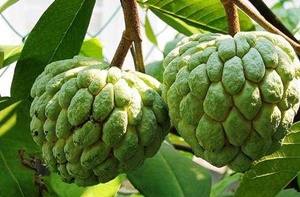
In order to identify the uses of Annona squamosa and to evaluate the effects of the treatments on seed germination, an ethnobotanical survey was carried out in the municipality of Allada in Benin with 150 randomly selected persons. Seeds from adult subjects were untreated (T0), boiled (5 min) and then soaked in water (24 hours) (T1) or hull weakened (T2) and then germinated in substrates of arable soil (S1), litter (S2), litter plus sawdust (S3), litter plus cow dung (S4), forest litter compost plus cow dung plus sawdust (S5), arable soil plus sawdust (S6)and soil arable plus cow dung (S7). Results revealed food (100%) and medicinal (30%) uses. The weakened seedsgave the best germination rate (51.02%) after 30 days compared with the controls (35.71%) and those boiled (0%). The treatments were very significant on seedling growth. The substrates S6 and S7 gave the best seedling growth ratesSubsequent, real-world research would yield comparative and popularizable results.
Keywords: Cinnamon apple tree, germination rate, treatment, ethnobotanical use
Downloads
Downloads
Published
Issue
Section
License

Revue Marocaine des Sciences Agronomiques et Vétérinaires est mis à disposition selon les termes de la licence Creative Commons Attribution - Pas d’Utilisation Commerciale - Partage dans les Mêmes Conditions 4.0 International.
Fondé(e) sur une œuvre à www.agrimaroc.org.
Les autorisations au-delà du champ de cette licence peuvent être obtenues à www.agrimaroc.org.