Molecular and Epidemiological Profile of the Infectious Avian Bursitis Virus Circulating in Morocco between 2013 and 2016
Authors
Maryame CHEGGAG, Khalil ZRO, Mohamed MOUAHID, Mohammed EL HOUADFI, Ghizlane SEBBAR, Faouzi KICHOU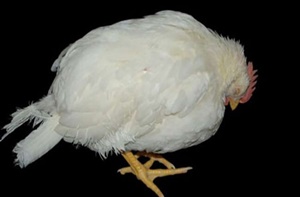
Key Information
Journal
Published in Vol. 9 No. 3 (2021) of Moroccan Journal of Agricultural and Veterinary Sciences.
Multidisciplinary journal that publishes original research articles and literature reviews in the fields of agriculture, agronomy, rural engineering, topography, forestry, horticulture, food, nutrition, animal husbandry and veterinary science (online-ISSN: 2550-4401, print-ISSN: 2028-991X). Indexed by DOAJ, Google Scholar, Articles DOAJ, Mirabelle, ROAD, WorldCat
About the Journal
Abstract
Gumboro disease or infectious bursal disease (IBD) is associated with the infectious bursal disease virus (IBDV), which causes considerable economic losses. This virus belongs to the family Birnaviridae (Avibirnavirus). This infection continues to be prevalent in poultry farms in Morocco, particularly in broiler farms, despite the various vaccination programs applied. Thus, the objective of the present work is the epidemiological and pathotypic characterization of IBDV in Morocco. The study involved 102 suspect broiler farms throughout Morocco surveyed between 2013 and 2016. As well as Fabricius Bursa (FB) samples (pool of 5 BF per flock) were taken from affected chickens for molecular investigations by real-time RT-PCR. The RT-PCR used allowed both detection and discrimination between highly virulent IBDV (vvIBDV) and non-vvIBDV strains using allelic discrimination probes. The epidemiological investigation revealed the suspicion of IBDV in poultry farms due to the very characteristic clinical and necroptic signs caused by IBDV (apathy, ruffled feathers, prostration, watery whitish diarrhea, and the necrotic triad (hypertrophy and hemorrhage of the Fabricius bursa; kidney congestion and petechiae in the muscles). The suspicion was confirmed by the results of RT-PCR in all regions of the kingdom with a prevalence of overall IBDV infection of 81% of which 60% for classical strains (non-vvIBDV) and 40% for highly virulent strains (vvIBDV).
Keywords: Infectious bursal disease, IBDV, RT-PCR, Epidemiology, Morocco
References
Details
License

Revue Marocaine des Sciences Agronomiques et Vétérinaires est mis à disposition selon les termes de la licence Creative Commons Attribution - Pas d’Utilisation Commerciale - Partage dans les Mêmes Conditions 4.0 International.
Fondé(e) sur une œuvre à www.agrimaroc.org.
Les autorisations au-delà du champ de cette licence peuvent être obtenues à www.agrimaroc.org.