Evaluation of the effect of the substitution of antibiotic growth promoters of natural products on growth performance and intestinal health in broilers
Authors
S. NASSIK, S. MACHKOUR, Y. BIDOUDAN, S. ELMORABET, Y. HARTI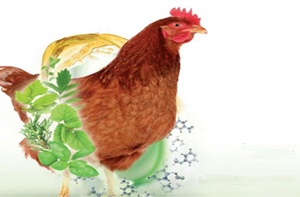
Key Information
Journal
Published in Vol. 9 No. 3 (2021) of Moroccan Journal of Agricultural and Veterinary Sciences.
Multidisciplinary journal that publishes original research articles and literature reviews in the fields of agriculture, agronomy, rural engineering, topography, forestry, horticulture, food, nutrition, animal husbandry and veterinary science (online-ISSN: 2550-4401, print-ISSN: 2028-991X). Indexed by DOAJ, Google Scholar, Articles DOAJ, Mirabelle, ROAD, WorldCat
About the Journal
Abstract
This study aimed to evaluate the effect of replacing the antibiotic growth promoter (AGP) with phytogenic additives (based on plant extracts). A total of 16,000 one-day old Cobb500 broiler chicks were randomly allotted to 2 buildings, each group was housed in a different treatment. TENRA refers to the treatment in which ENRAMYCIN was added as an AGP at a dose of 150g per ton of feed, combined with a chemical anticoccidial agent. TDUO contains a combination of two products: Kerlait at a dose of 60g per ton of feed and Emmanox incorporated at 90g per ton of feed, this additive has thymol, cinnamaldehyde, carvacrol borneol and allicin as its main active ingredients. Zootechnical parameters (Body weight, weight per m2, weight gain, feed intake, and feed conversion ratio and mortality rate), intestinal microflora (Escherichia coli, clostridia, coccidiosis) as well as macroscopic and microscopic lesions are the main parameters evaluated in this study. Three autopsies were carried out to collect the necessary data (D14, D24, and D34). The results obtained were statistically treated through an analysis of variance (ANOVA) using SPSS software at a significance level of P<0.05. The mortality rate, feed conversion ratio and weight per m2 did not show any significant difference (P > 0.05) within the groups. However weight gain showed a significant increase in the TDUO in the last week. The detection of Escherichia coli didn’t show any divergence between treatments. However, the microbial environment of TENRA chickens wasn’t in accordance with the literature. The coccidiosis test revealed that TDUO individuals were negative on D34 while those of TENRA were infested on the same date. The application of the morphometric index "I See Inside" (ISI) allowed the evaluation of macroscopic and microscopic lesions by transforming the observed alterations into quantitative data, which makes the comparison between the different treatments conceivable. Macroscopic lesions were dominated by intestinal and hepatic lesions for all the groups throughout the breeding period. The TENRA ISI sum score (all lesions combined) was significantly higher towards the end of the trial. The same trend of results was observed for microscopic lesions revealed on intestinal and hepatic tissues.
Keywords: Broiler chicken, antibiotic growth promoter, phytogenic additives, intestinal integrity, performance.
References
Details
License

Revue Marocaine des Sciences Agronomiques et Vétérinaires est mis à disposition selon les termes de la licence Creative Commons Attribution - Pas d’Utilisation Commerciale - Partage dans les Mêmes Conditions 4.0 International.
Fondé(e) sur une œuvre à www.agrimaroc.org.
Les autorisations au-delà du champ de cette licence peuvent être obtenues à www.agrimaroc.org.